
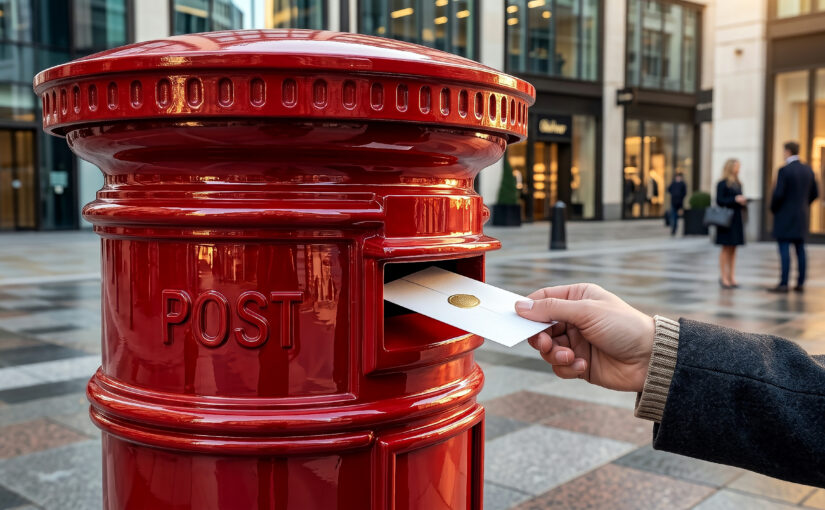
Remote business postal address solutions remain important in 2026, even when companies operate almost entirely online. Remote teams may communicate through email, hold meetings by video call and manage documents in the cloud, but physical correspondence has not disappeared. Official letters, customer mail, business documents and other important post still need a secure and reliable place to arrive.
The challenge is that remote businesses may not have a traditional office where somebody is available every working day. A founder might work from home, employees may be spread across different locations, or a team may use coworking and meeting spaces only when required. Without a clear postal arrangement, important correspondence can become difficult to manage.
This is why LowCost LetterBox helps businesses establish a professional address and mail handling setup without requiring a permanent office. For remote companies, having the right address can support privacy, organisation, reliability and a more professional business presence.
Remote Working Has Changed the Role of the Office
For many businesses, work is no longer tied to one building. Founders can run companies from home, employees can collaborate from different cities and teams can access physical workspace only when they need it.
This flexibility can remove the need for a permanent office, but it does not remove every function that the traditional office once provided. One of those functions is receiving business correspondence.
A business may be digital in the way it works while still receiving physical mail. The question for remote companies is therefore not simply where employees work, but where important correspondence should go.
Why Does a Remote Business Need a Postal Address?
A reliable postal address gives a remote business one consistent location for correspondence. Instead of company mail being sent to different team members, temporary offices or addresses that are not checked regularly, the business can establish a clearer system.
This can be particularly important when receiving formal documents or correspondence that requires attention. Even when customers primarily communicate digitally, organisations such as Companies House and HMRC may still send statutory correspondence by post.
A remote business postal address can therefore become part of the company’s wider administrative structure. It provides continuity even when the people working for the business change location.
Your Registered Office Still Matters
Remote working does not remove the registered office requirements that apply to UK limited companies. Companies House requires a limited company to maintain an appropriate registered office address.
An appropriate address is one where documents delivered to the company would normally be expected to come to the attention of someone acting on its behalf and where delivery can be acknowledged. Companies can review the official Companies House registered office address requirements for the latest guidance.
LowCost LetterBox provides a registered office address service for eligible businesses that want a professional location for statutory company correspondence rather than using a residential address.
Working Remotely Does Not Mean Using Your Home Address
One of the easiest options for a remote founder may appear to be using a home address for everything. However, convenience should be balanced against privacy.
A company’s registered office address is publicly available on the Companies House register. Directors can also use a suitable service address rather than making their residential address their public business correspondence address.
LowCost LetterBox has previously explored this issue in “Why UK Business Owners Should Think Twice Before Using a Home Address”. For remote entrepreneurs in particular, separating home and business addresses can create a clearer boundary between personal and professional life.
A Consistent Address Supports a Professional Presence
Remote companies can operate professionally without a traditional headquarters. However, consistency still matters when presenting the business to customers, suppliers and other organisations.
If a company regularly changes its correspondence address or relies on a founder’s residential details, its business identity can become closely connected with one person’s home. A dedicated business address can provide greater continuity.
A virtual office London service can support remote businesses that want a professional London presence while maintaining the freedom to work from home, while travelling or from flexible workspace.
Reliable Mail Handling Matters More When Nobody Is in the Office
In a traditional office, someone may be available to collect post every working day. Remote businesses cannot always rely on that routine.
Mail sent to an infrequently used workspace can remain unopened. Post delivered to an old address may need to be redirected. Letters sent to an individual employee may become harder to track if that person is away or leaves the company.
Our earlier article, “The Hidden Cost of Poor Mail Handling for UK Companies”, looked at how missed or delayed correspondence can create unnecessary administration. Remote working makes a structured mail process even more valuable.
Digital Mailrooms Bridge Physical and Remote Working
One of the challenges of remote work is connecting physical correspondence with a digital workflow. A letter may arrive at one location while the person who needs to deal with it is working somewhere completely different.
A digital mailroom service can help businesses create a more organised process for incoming post. Depending on the service selected and the type of correspondence received, mail can be managed without requiring directors or employees to visit a physical office simply to check the post.
This makes mail handling fit more naturally into a remote operating model. Businesses can maintain a physical point for correspondence while their people continue working flexibly.
What About Everyday Business Mail?
Not every piece of company correspondence is statutory mail. Remote businesses may also receive letters and documents from customers, suppliers, service providers and other organisations.
A business mailbox and PO Box address service can provide a dedicated location for broader business correspondence. This helps keep company post separate from personal household mail.
The right solution depends on the type of correspondence the business expects to receive. A registered office, business correspondence address and general mailbox service are not necessarily interchangeable, so businesses should select services that match their actual requirements.
Remote Businesses Need Continuity as They Grow
A founder may begin by working alone from home. Later, the company may recruit remote employees, work with contractors or start serving customers across different locations.
If the business address is tied entirely to the founder’s home, future changes can create additional administration. Moving house, changing working arrangements or expanding the team may mean updating address information across multiple services and records.
A dedicated remote business postal address can offer greater continuity because it is connected to the company rather than to where one individual happens to live or work.
New Companies Should Think About Their Address Early
Address planning is particularly important when starting a new remote company. Founders often make decisions quickly during incorporation and may choose their home address simply because it is immediately available.
However, the registered office becomes part of the company’s public information. Thinking about privacy and mail handling before incorporation can therefore be easier than reorganising the company’s address arrangements later.
LowCost LetterBox’s UK company registration service can support entrepreneurs who want to establish their company while considering their address requirements from the beginning.
A Remote Company Can Still Meet Clients Professionally
One concern for businesses without permanent offices is what happens when a physical meeting is required. A client may want to meet face to face, a remote team may need to collaborate in person or an individual employee may occasionally need somewhere professional to work.
None of these situations automatically requires a long-term office. Businesses can separate the need for a permanent business address from the need for occasional physical workspace.
This allows a remote company to maintain a professional business setup while accessing physical space only when there is a genuine need for it.
How BluDesks Supports Remote Businesses
LowCost LetterBox supports the address and mail side of remote business operations. Sister company BluDesks supports businesses when they need physical workspace.
Remote teams can access meeting rooms for client discussions, coworking spaces for collaborative work, hot desks for individual working days and flexible workspace solutions when their requirements change.
Together, this creates a flexible model: a professional address and mail handling solution for ongoing business administration, combined with physical workspace when people actually need somewhere to meet or work.
Final Thoughts
Remote working may have reduced the need for permanent offices, but it has not removed the need for reliable business correspondence. A remote business postal address can provide a consistent point for mail, help separate business correspondence from personal post and support a more organised way of working.
For UK limited companies, the registered office also has specific legal requirements. Businesses should therefore understand the difference between statutory correspondence, general business mail and the different address services available to them.
LowCost LetterBox supports remote businesses with registered office addresses, virtual office London services, business mailbox solutions, digital mailroom management and UK company registration support. When physical workspace is required, BluDesks provides access to meeting rooms, coworking spaces, hot desks and flexible workspace. Together, these services can help businesses stay flexible without losing the professional infrastructure they still need.
Popular Posts
 Why Remote Businesses Still Need a Reliable Postal Address 20261st October 2026
 What Makes a Registered Office Address “Appropriate”?24th September 2026
 Can You Remove Your Home Address from Company House ?18th September 2026