
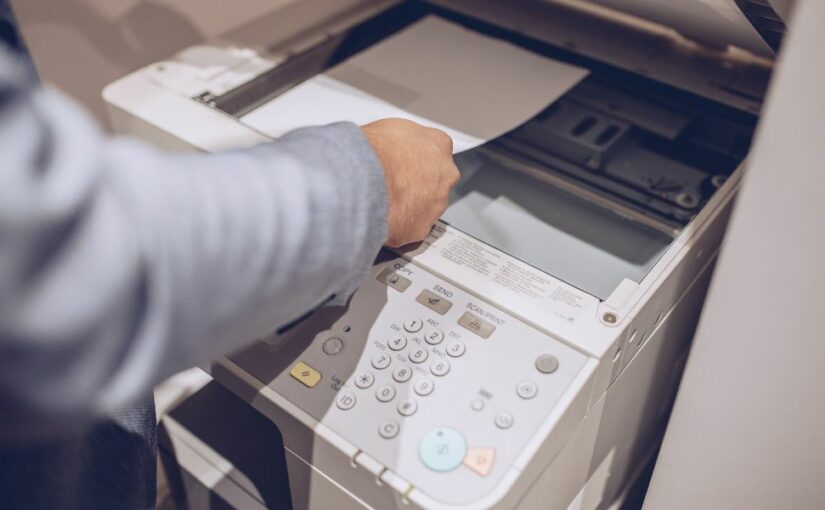
Physical post remains part of everyday business life, even as day-to-day activity moves online. Legal correspondence, bank letters, HMRC notices and supplier documentation continue to arrive, alongside the occasional unexpected envelope.
What has changed is how that post is handled once it arrives. For many organisations, digitisation has become less of a strategic initiative and more of a practical response to how work is actually carried out.
Digitisation Meaning When Applied to Mail
Digitisation, in its simplest sense, is the process of converting something physical into a digital format. In the context of inbound mail, that means taking paper correspondence and turning it into a digital document that can be accessed online.
There is no attempt to alter the content or change how external organisations communicate. The letter remains a letter. What changes is where it lives and how it can be reached.
In practice, the concern is usually straightforward. Businesses want to avoid situations where important correspondence sits unopened, is forwarded late, or can only be accessed by someone who happens to be in the office. From that perspective, digitisation improves access to information without requiring wider changes to how the organisation operates.
Digitisation vs Digitalisation in Day-to-Day Use
Digitisation and digitalisation are closely related terms, each referring to a different aspect of how information is handled.
Digitisation focuses on conversion. A physical document is received, scanned, and stored as a digital file that can be viewed and shared electronically, without relying on the original paper copy.
Digitalisation describes what happens after a document has been digitised, including how it is stored, shared, and used within day-to-day processes.
With inbound mail, scanning and uploading correspondence is the digitisation step. Making it available securely to directors or teams, keeping a record of when it arrived, and allowing it to be retrieved later fall under digitalisation.
Understanding digitisation vs digitalisation is useful because digital mailroom services tend to start with the first problem. Access to the post. Process improvements tend to follow once that foundation is in place.
Document Digitisation and Inbound Correspondence
Document digitisation sits at the centre of a digital mailroom. Physical mail is received, opened and scanned, producing a digital copy that reflects the original document.
The reliability of this step is important, as businesses need to trust that what they see online matches what arrived in the post. Clear scans, complete documents and consistent handling all contribute to that confidence.
Managing this internally can become surprisingly time-consuming, particularly where mail volumes fluctuate or offices are not consistently staffed. Digital mailroom services shift that responsibility elsewhere, allowing businesses to receive their post digitally without building their own processes around it.
Why Businesses Choose to Digitise Inbound Mail
Organisations digitise inbound mail to improve access to correspondence, reduce delays, and create clearer records of what has been received. These benefits tend to show up in a few consistent ways across different organisations.
Quicker access to incoming mail
When mail is digitised, it can be reviewed soon after it arrives, without relying on someone to open or forward it first. This helps directors, finance teams, and administrators respond more quickly, particularly where correspondence involves deadlines or time-sensitive decisions.
Reduced reliance on physical presence
Handling physical post usually relies on someone being present to receive, open, or pass it on. Digitising inbound mail removes that assumption. Letters can be accessed whether teams are working remotely, travelling, or splitting time between locations.
Reduced manual handling
Sorting and distributing post is rarely a single task. It involves opening envelopes, scanning documents, saving files, forwarding emails and filing paperwork. Individually, these steps are small, but collectively, they add up.
Digitising inbound mail simplifies this chain, reducing repeated handling and the likelihood of delays.
Clearer records over time
Digital copies of inbound mail are easier to organise and retrieve than physical files. A consistent approach to document digitisation supports better visibility of what has been received and when, which can be useful for audits, compliance reviews or internal checks.
Capacity to adapt
Mail volumes change over time, particularly as businesses grow or adjust their structure. Digital mailroom services allow those changes to be handled without adding space or staffing pressure.
Digital Mailroom Services in Context
A digital mailroom combines document digitisation with secure online access. Mail is received at a designated address, scanned, and made available digitally, removing the need for businesses to manage the physical handling themselves.
LowCost LetterBox provides digital mailroom services designed around this practical requirement. The service focuses on ensuring inbound mail is accessible, traceable and easy to manage, without altering how external parties send correspondence.
Some organisations use digital mailroom services alongside options such as a Virtual Office, Registered Office Address or Business Mail Box. These services relate to where mail is sent, while the digital mailroom addresses how it is handled once it arrives. In many cases, businesses adopt only the elements that suit their setup.
Digitisation in Everyday Operations
Digitising inbound mail is often one of the more straightforward applications of digitisation. It deals with an existing, unavoidable input rather than trying to redesign how others communicate with the business.
For many organisations, the value lies in visibility and access rather than sweeping change. Digital mailroom services provide a way to manage post more effectively while keeping day-to-day operations largely unchanged.
For businesses reviewing how they handle inbound correspondence, the digital mailroom services offered by LowCost LetterBox offer a practical starting point grounded in how organisations actually work.
Popular Posts
 How to Start a Small Business in the UK12th March 2026
 The Meaning of Digitisation and the Benefits of Digitising Inbound Mail11th February 2026
 What Is a Digital Mailroom and What Are the Benefits of Using One?11th February 2026