
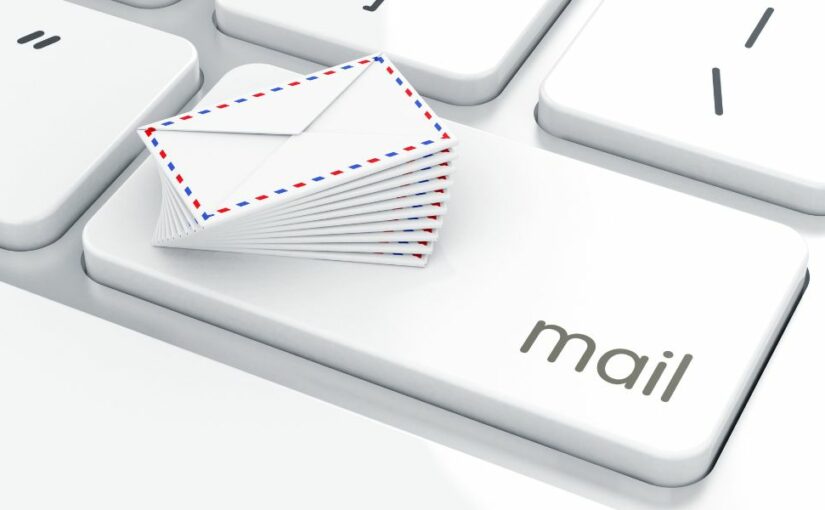
For many organisations, post handling is not a daily priority until something goes wrong. That could mean an important letter is missed, opened late, or only accessible to someone who is out of the office.
As working arrangements become more flexible, these gaps are more noticeable. A digital mailroom helps reduce reliance on physical presence by making incoming mail available in a secure digital format, so correspondence can be accessed and acted on without waiting for it to be forwarded or collected.
What is a Digital Mailroom?
When people ask what a digital mailroom is, they are usually trying to understand how physical correspondence fits into a modern working setup.
At a basic level, a digital mailroom is a service that receives physical mail on behalf of a business and converts it into a digital format. Letters are delivered to a secure address, opened, scanned, and made available online. The content of the correspondence does not change, just the method of access.
This approach removes the need for someone to be physically present to open envelopes or forward documents. Mail can be viewed from anywhere, shared internally where appropriate, and stored digitally for future reference.
Importantly, external organisations do not need to do anything differently. Letters are still sent by post, in the usual way. The digital mailroom simply changes what happens after delivery.
How Does a Digital Mailroom Work?
In practice, a digital mailroom follows a straightforward process.
Mail is delivered to a designated address rather than a company’s operational office. This may also serve as a reggistered office address or business mail box, depending on the services in place. Once received, the post is logged and scanned using controlled procedures designed to protect confidentiality.
The scanned documents are uploaded to a secure online portal, where authorised users can view or download them. Access permissions are typically set in advance so that sensitive correspondence is only visible to the right people.
For most businesses, the value lies in speed and visibility rather than complexity. Mail becomes accessible shortly after arrival, without relying on internal forwarding or ad hoc processes. This is particularly useful where teams are spread across locations or working irregular hours.
Digital Mailroom Benefits in Day-to-Day Operations
The practical digital mailroom benefits tend to become clearer over time through day-to-day use.
Greater consistency in who can view incoming correspondence reduces the risk of letters remaining unopened or delayed when staff are unavailable, thus lowering the risk of missed deadlines or late responses, especially where time-sensitive correspondence is involved.
There is also a consistency benefit. Mail handling no longer depends on individual routines or informal workarounds. Instead, post follows a defined process, which can be reassuring for businesses that need a clear audit trail.
Over time, digital access to mail can simplify record keeping. Instead of storing paper files across multiple locations, correspondence can be retained digitally alongside other business documents.
While cost efficiency is often mentioned, it is usually a secondary effect. The primary advantage is operational reliability rather than immediate savings.
Digital Mailroom Management Considerations
Successful digital mailroom management depends on how well the service aligns with an organisation’s day-to-day operations.
For smaller businesses, it may simply mean knowing that the post will be received and accessible even when no one is on site. For larger organisations, it often involves ensuring that correspondence reaches the right teams without unnecessary delay.
Clear decisions around access, retention, and responsibility help the service work smoothly. Who needs to see which documents, how long they should be stored, and how actions are tracked are all practical considerations that benefit from being agreed upon upfront.
A digital mailroom works best when it supports existing ways of working rather than trying to replace them.
Digital Mailroom Outsourcing as a Practical Option
Many organisations choose digital mailroom outsourcing to avoid managing physical post internally. Outsourcing removes the need to allocate office space, scanning equipment, or staff time to mail handling.
An external provider receives and processes mail according to agreed procedures, making it available digitally while the organisation retains control over how correspondence is handled and responded to.
This arrangement can be particularly useful for businesses operating remotely, companies with multiple locations, or organisations looking to reduce reliance on a single physical office.
Outsourcing does not mean losing oversight. Service levels, access rules, and security measures are typically defined in advance, allowing organisations to maintain confidence in how their mail is managed.
Choosing a Digital Mailroom Service
When selecting a digital mailroom service, businesses often find it helpful to focus on reliability and clarity rather than feature lists.
Processing times, security standards, ease of access, and support tend to matter more in practice than advanced automation. A service that integrates smoothly with existing administrative arrangements is often easier to live with over time.
The digital mailroom services offered by LowCost LetterBox are designed with this in mind. Their approach supports UK businesses that want dependable access to their post, alongside related services such as virtual office solutions, without adding unnecessary complexity.
Bringing Post Into a Digital Working Environment
A digital mailroom does not eliminate physical mail, and it does not change how external organisations communicate. Its role is more modest than that.
By ensuring that incoming correspondence is accessible in a digital format, a digital mailroom reduces dependence on place and presence. For businesses balancing traditional obligations with modern working practices, this can make day-to-day operations more predictable and less exposed to disruption.
Popular Posts
 How to Start a Small Business in the UK12th March 2026
 The Meaning of Digitisation and the Benefits of Digitising Inbound Mail11th February 2026
 What Is a Digital Mailroom and What Are the Benefits of Using One?11th February 2026